
 admin
admin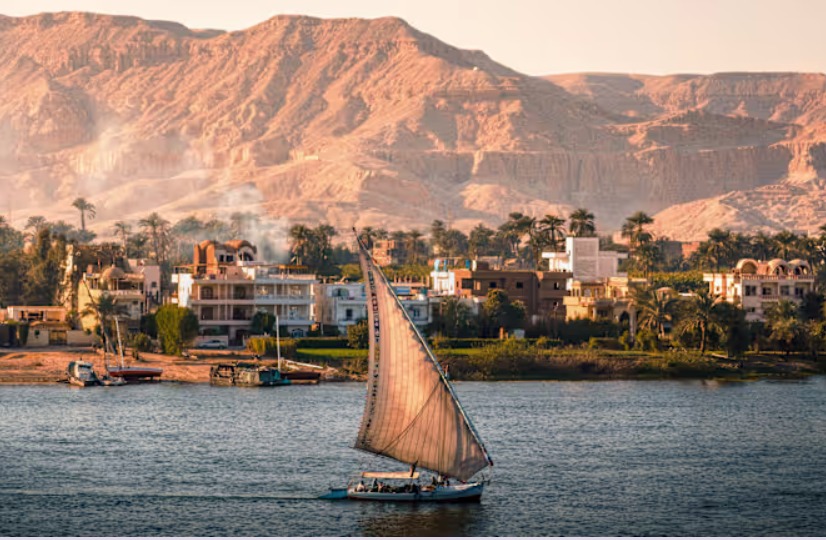
ANFET EDITORIAL, April 4, 2026
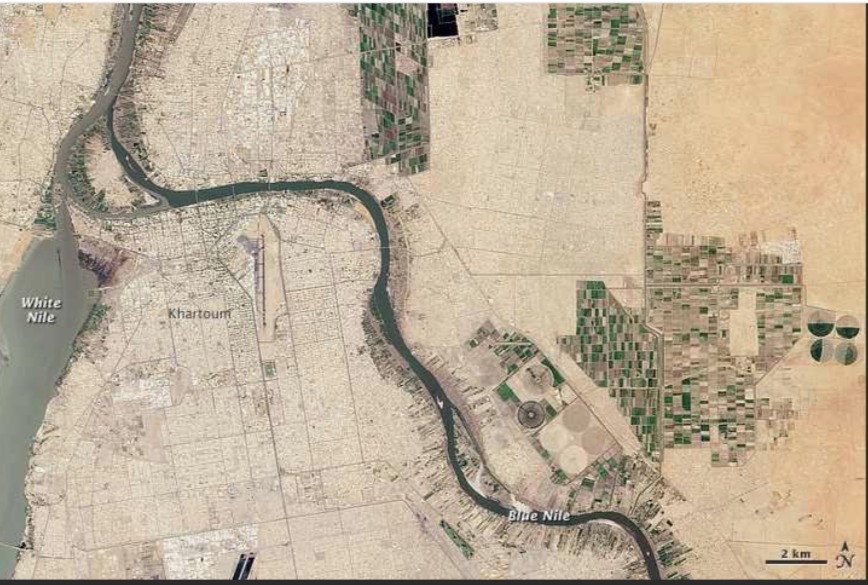
Mediation is not a performance. It is a responsibility. And in Africa’s most consequential disputesincluding the Nile-credibility is earned through respect, regional literacy, and a demonstrated commitment to neutrality. Anything less is diplomatic theatre.
For years, African scholars and policymakers have warned that mediation cannot succeed when the mediator’s own public language has diminished the dignity of African states. Words matter. They shape trust, signal priorities, and reveal whether African concerns are treated as legitimate or as afterthoughts. When dismissive rhetoric enters the diplomatic bloodstream, it corrodes confidence long before negotiations even begin.¹
The Nile Basin is not a file for improvisation. It is one of the most historically charged and geopolitically sensitive regions on the continent. The scholarship is unequivocal: mediators must possess deep knowledge of African political history, hydropolitics, and regional security dynamics.² Assigning individuals without this grounding to manage the Nile negotiations does not merely raise questions- it signals a lack of seriousness. Expertise is not decorative; it is the foundation of any credible process.
This credibility gap is widened by the shifting global landscape. Analysts across the world note that U.S. diplomatic influence has been strained by recent geopolitical developments.³ As a result, many observers question whether Washington currently has the leverage, institutional focus, or sustained attention required to guide a dispute of this magnitude toward a durable outcome. Mediation demands more than presence; it demands the ability to command trust across all parties.
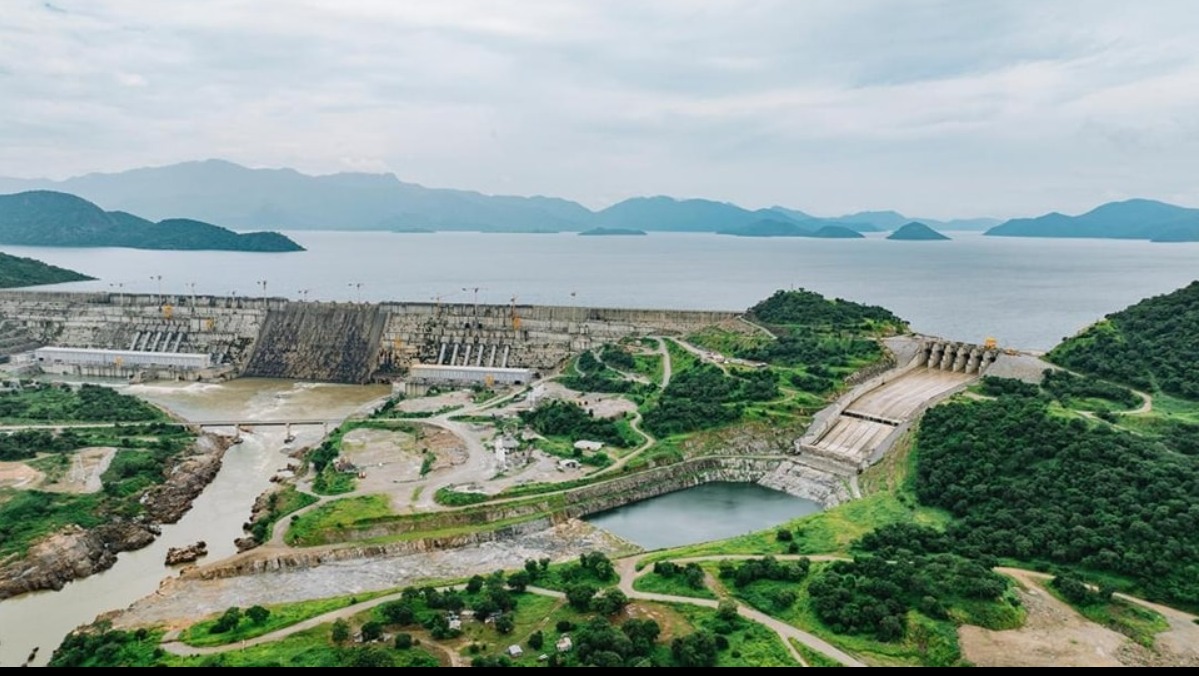
And the region itself is not standing still. Ethiopia- a central actor in the Nile negotiations- is navigating one of the most turbulent periods in its modern history. International reporting and academic analyses document multiple internal conflicts involving various ethnic groups, as well as tensions with neighboring states.⁴ These pressures have placed extraordinary strain on the country’s political leadership. The Grand Ethiopian Renaissance Dam (GERD), once a unifying symbol of national aspiration, is now entangled with Ethiopia’s internal political fragmentation, making the negotiation environment more fragile and less predictable.⁵
In such a context, the requirements for credible mediation are not abstract principles- they are practical necessities. African nations expect a process grounded in respect, informed by regional expertise, and anchored in institutional neutrality. They also require negotiating partners who possess sufficient internal stability to engage consistently and transparently.
Without these elements, mediation risks devolving into symbolic diplomacy- a gesture rather than a solution. And the stakes for the region are far too high for symbolism to suffice.
Africa deserves better than performative mediation. It deserves a process rooted in knowledge, respect, and the political courage to treat African disputes with the seriousness they demand.
Footnotes
- Victor Adetula, “African Agency and the Politics of Mediation,” African Journal on Conflict Resolution 21, no. 2 (2021).
- Ana Elisa Cascão and Alan Nicol, “GERD and the Nile Basin: A New Era of Hydropolitics,” Water International 41, no. 4 (2016); Ashok Swain, “Challenges for Water Sharing in the Nile Basin,” International Journal of Water Resources Development 27, no. 3 (2011).
- Richard Haass, The World: A Brief Introduction (New York: Penguin, 2020); Charles Kupchan, Isolationism: A History of America’s Efforts to Shield Itself from the World (Oxford: Oxford University Press, 2021).
- International Crisis Group, “Ethiopia’s Conflict Landscape,” Reports 2021–2023; Alex de Waal, New Politics of the Horn of Africa (Cambridge: Polity Press, 2021).
- Harry Verhoeven, Water, Civilisation and Power in Sudan: The Political Economy of the Nile (Cambridge: Cambridge University Press, 2015).