
 admin
admin
Anfet February 26, 2026
In the Horn of Africa, where political alliances are often forged in crisis and dissolved in mistrust, the emerging alignment between the TPLF of Tigray, Eritrea’s PFDJ, the Amhara Fano movement, and the Oromo Liberation forces is nothing short of extraordinary. These are groups with long histories of conflict, ideological hostility, and deep mutual grievances. Their convergence today is not a sign of unity. It is a measure of the profound political disarray gripping Ethiopia and the wider region. What binds these unlikely actors is not shared vision but shared alarm-a recognition that the political trajectory of Prime Minister Abiy Ahmed has pushed the region toward a dangerous precipice. The alignment is less a coalition than a symptom: a sign of political exhaustion, regional anxiety, and a growing refusal among ordinary citizens to surrender their rights to authoritarian overreach.
A Convergence Born of Miscalculation
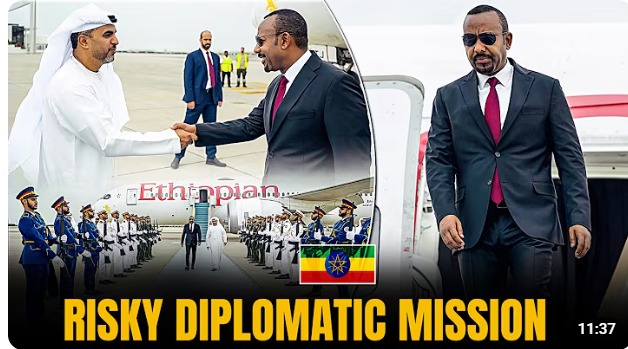
Prime Minister Abiy Ahmed, once hailed as a reformer and Nobel Peace Prize laureate, now finds himself more isolated than at any point since taking office in 2018. His government is militarily constrained, regionally cornered, and strategically exposed. This isolation is not the result of a coordinated democratic movement. It is the consequence of:
the devastation of the Tigray War,
the erosion of trust among Ethiopia’s major ethnic constituencies,
the faltering implementation of the Pretoria Agreement,
and the destabilizing influence of the United Arab Emirates, whose military and political interventions have reshaped the region’s balance of power.
Rather than stabilizing Ethiopia, these dynamics have deepened its internal fractures and emboldened ambitions that lack institutional grounding. The result is an alliance that few would have predicted-and even fewer would have believed possible.
Eritrea’s Calculated Vigilance
Eritrea’s role in this moment is particularly complex. The Eritrean people, long known for their resilience and fierce protection of sovereignty, are watching events with a mixture of vigilance and apprehension. Their temporary alignment with forces opposing Abiy Ahmed should not be mistaken for renewed trust in the PFDJ leadership. Eritreans remain acutely aware of:
the absence of constitutional governance,
the concentration of power in a single individual,
the lack of institutional checks and balances,
and the erosion of national dignity through opaque regional entanglements.
Eritrea’s posture is driven by existential concerns-threats to its borders, maritime claims from Ethiopia, and the fear of losing hard-earned sovereignty. But once the immediate danger passes, the demand for fundamental democratic change will return with renewed force. This moment is a pause, not a pardon.
Ethiopia’s Fragmented Opposition
The Ethiopian actors in this alignment are themselves navigating fragile terrain.
The TPLF, once dominant in Ethiopian politics, is weakened by war and internal division.
The Amhara Fano movement is constrained by the Pretoria Agreement and mired in escalating ethnic tensions.
The Oromo Liberation forces remain divided between political and military wings, limiting their ability to articulate a unified national agenda.
This is not an alliance built on ideological coherence. It is a coalition of actors who have exhausted unilateral options.
Sudan’s Collapse as a Regional Warning
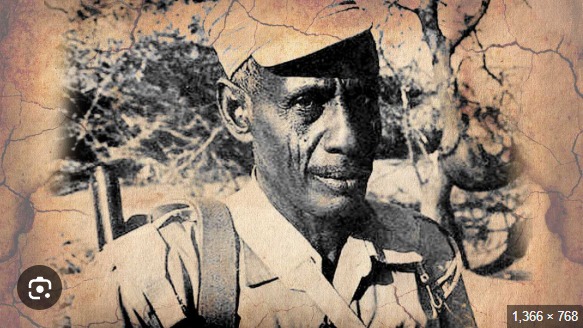
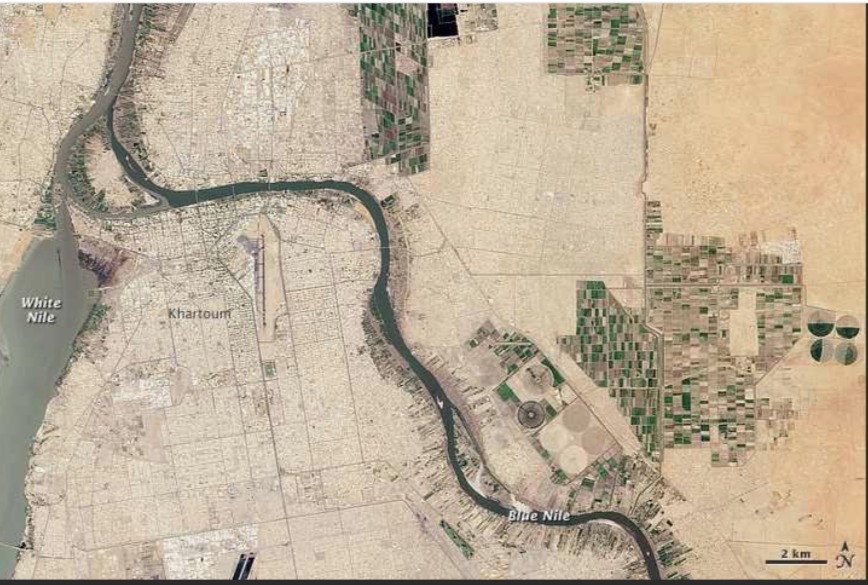
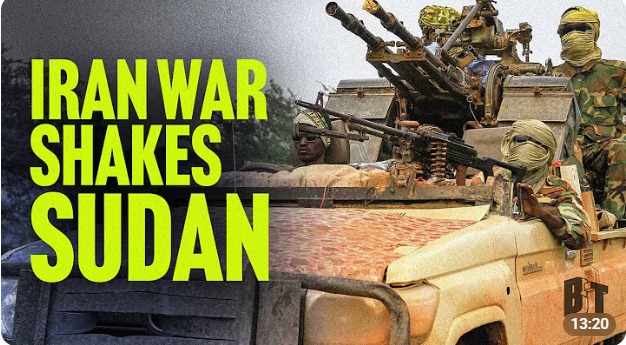
Sudan’s descent into chaos offers a stark warning. The destruction of Khartoum was not a military strategy-it was an act of national dismemberment. No legitimate strategist begins by destroying a nation’s capital. Only predators begin with the belly. The Sudanese people understood this, rallying behind General Abdel Fattah al-Burhan against Mohamed Hamdan Dagalo (Hemedti). Their choice was not an endorsement of either man’s past actions, including the overthrow of Prime Minister Abdalla Hamdok. It was a desperate attempt to preserve the state itself.
Sudan’s tragedy underscores a truth the region cannot ignore:
When institutions collapse, nations do not fall to their knees-they fall into the abyss.
The Red Sea Axis and the Weight of Geography
From the vantage point of the Red Sea, the alignment of Egypt and Saudi Arabia with Sudan’s legitimate institutions is not ideological. It is strategic. The Red Sea is a shared artery of commerce and security. Any destabilization-especially from Ethiopia’s maritime claims or its rhetoric toward Eritrea-threatens the entire region. Thence, Regional recalibration must respect:
the Pretoria Agreement,
the Algiers Agreement,
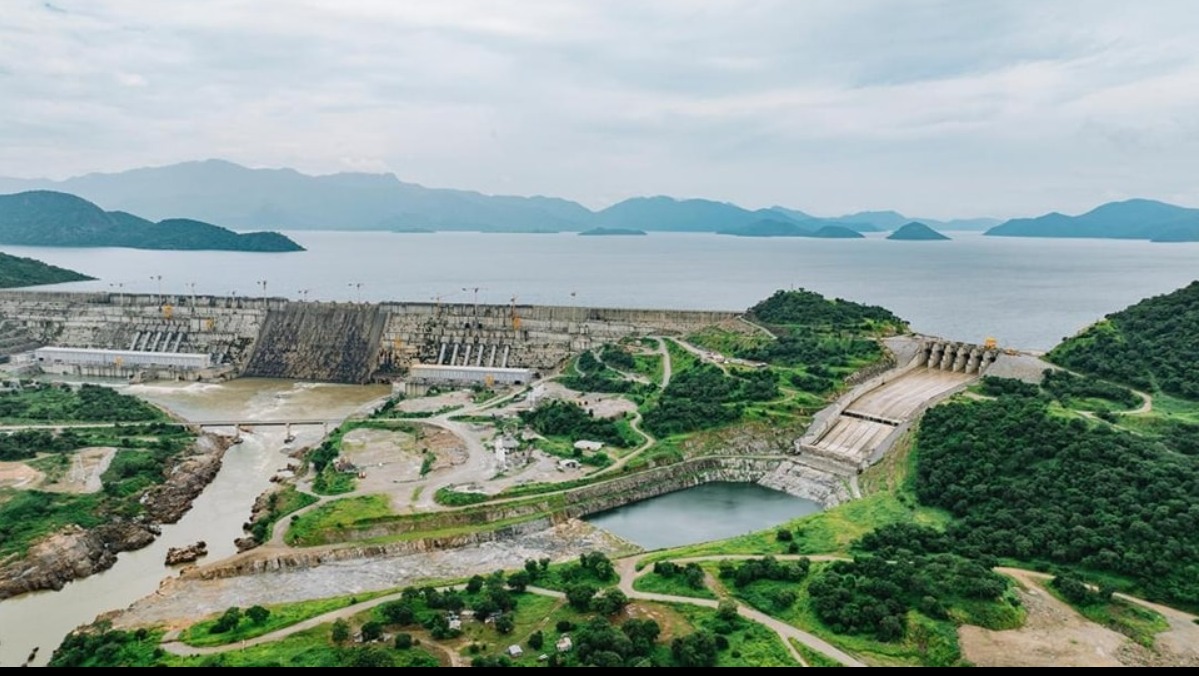
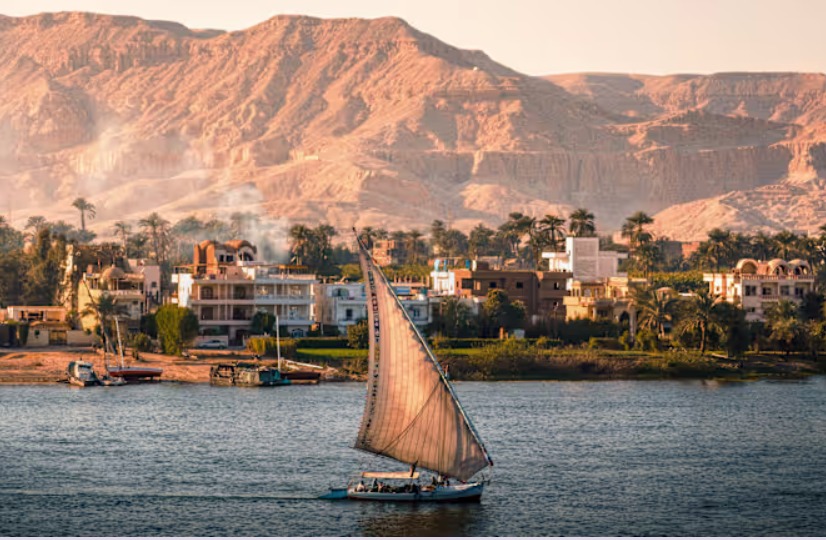
and the Nile Basin treaties.
These are not optional documents. They are the legal architecture of regional stability.
A Moment Leaders Must Not Misread
The greatest danger now is that leaders-in Asmara, Mekelle, Bahir Dar, and the Oromo political sphere-may misinterpret this moment as a validation of their authority. It is not. This moment belongs to the people:
Eritreans defending their sovereignty,
Tigrayans recovering from devastation,
Amharas resisting marginalization,
Oromos demanding justice,
Sudanese fighting for the survival of their state.
They are the ones who refused to surrender their rights.
They are the ones who resisted authoritarian overreach.
They are the ones who preserved the possibility of a democratic future.
When this standoff ends, every regime-Eritrean, Ethiopian, Tigrayan, Amhara, and Oromo-will face the same question: Are you prepared to answer the democratic demands of your people? History is rarely kind to leaders who squander such moments.