
 admin
admin
ANFET EDITORIAL-December 18, 2026
For thirty years, Eritreans have been trapped in a political nightmare, and the worst part is this: the regime did not have to silence the diaspora. The diaspora silenced itself. The government whispered, “Don’t join political organizations,” and the diaspora repeated it louder than the regime ever could. Movements echoed it. Activists amplified it. Journalists normalized it. And entire generations internalized it. Fear became culture. Suspicion became identity. Division became tradition. The regime did not need spies; it had us.
When Yiakl erupted with the force of a generation refusing to inherit paralysis, the political organizations panicked instead of embracing that fire. Yiakl’s early call for political groups to abandon their programs was not tactful—it was confrontational. It wasn’t a plea for a reset; it was a demand for submission. The reaction was just as troubling. Instead of dialogue, insecurity took over. Instead of strategy, ego prevailed. In the wake of Yiakl’s rise, the SPDE—also known as Felsi-Selam—emerged under the leadership of an independent writer, inviting political organizations and news media outlets such as Teddy Press to join its orbit. For nearly two years, it dominated the news cycle and opposition discourse before eventually hibernating and shifting toward more regionally focused activism. Then Brigade N’hamedu entered the scene, shouting “hostile takeover” and “hijack,” even after Yiakl had loaned them sixty thousand dollars to launch their political campaign. The accusation was absurd, yet it stuck—because Eritrean politics has been conditioned to assume the worst about anyone who dares to build something new.
And the advisers—the loud, self-appointed guardians of purity—poured gasoline on the fire. They told Yiakl not to touch the political organizations. They told the political organizations not to trust Yiakl. They told Brigade N’hamedu to fear everyone. They told activists to isolate themselves. They told the diaspora to work alone. They believed they were protecting the struggle, but they were protecting fragmentation. They believed they were preventing infiltration, but they were preventing unity. They believed they were saving the movement, but they were suffocating it.
Let us stop pretending: the regime could not have engineered a better outcome. Every time someone said “don’t associate with them,” the regime gained another year. Every time a movement accused another of hijacking, the regime tightened its grip. Every time activists insisted on working alone, the regime’s survival was extended. The diaspora did the regime’s work for free.
But here is the part that exposes the entire illusion: despite all the noise, the political organizations did not collapse. They reorganized. They stabilized. They matured. And today, Yiakl—through ECDC—is working directly with EPF and ENCDC on the diplomatic front. The very collaboration once treated as dangerous is now the backbone of the opposition’s diplomatic presence. The advisers who preached fear were wrong. The commentators who warned against unity were wrong. The movements that believed cooperation was dangerous were wrong. And the Eritrean struggle paid the price for their fear.
What did we lose? Years of momentum. Trust between generations. Opportunities for coordinated diplomacy. A unified voice when the region was collapsing into war. What did we gain? A painful but necessary truth: Eritrea will not be freed by isolated islands of activism. It will not be freed by movements that fear each other more than they fear the regime. It will not be freed by advisers who preach purity instead of strategy. It will not be freed by people who mistake suspicion for intelligence.
And that is why 2026 must be the year we bury fear politics once and for all.
Our collective resolution for 2026 is simple, non-negotiable, and long overdue: all Eritrean opposition forces—political organizations, civic movements, youth groups, media platforms, and independent activists—must come together. Not in slogans. Not in theory. In practice. In structure. In coordinated action.
Unity is no longer a dream. It is a requirement for survival.
Fragmentation is no longer an accident. It is a betrayal of the struggle.
The only path forward is a united front that refuses to repeat the mistakes of the past.
If Yiakl, ECDC, EPF, and ENCDC can work together today, then every Eritrean movement must confront the truth: the only thing that ever threatened the opposition was its own fear of unity. And the only thing that will save it is the courage to reject that fear once and for all.
2026 must be the year Eritreans finally choose unity over fear, strategy over ego, and liberation over fragmentation.

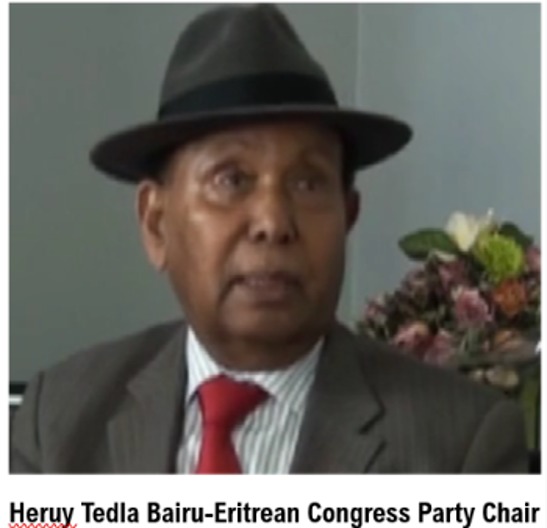
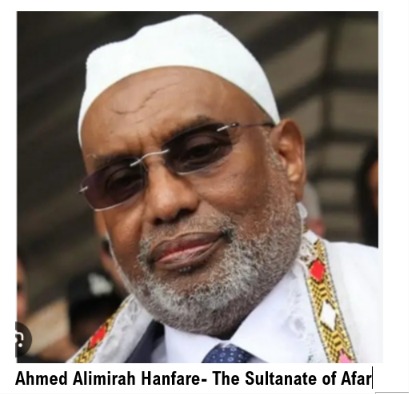
Truth be said! A correct assessment of the past and guide for success in the future. Absolute unity is a dream, and not necessary for the pro democracy movement to succeed. The formation of a national united front for a pluralistic, democratic order should be the realistic objective – and it is doable.