
 admin
admin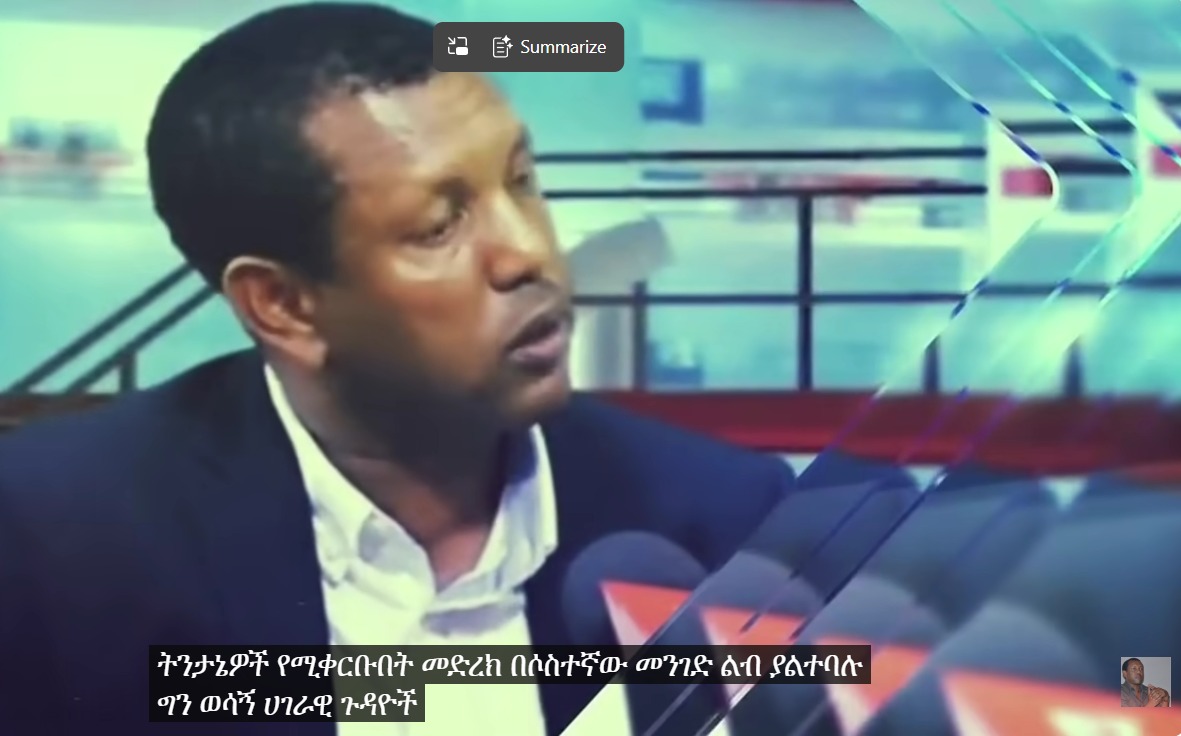
Lidetu Ayaliew: A Patriotic Voice of Principle in Ethiopia’s Era of Repeated Wars
ANFET Educational Editorial – September 25, 2026
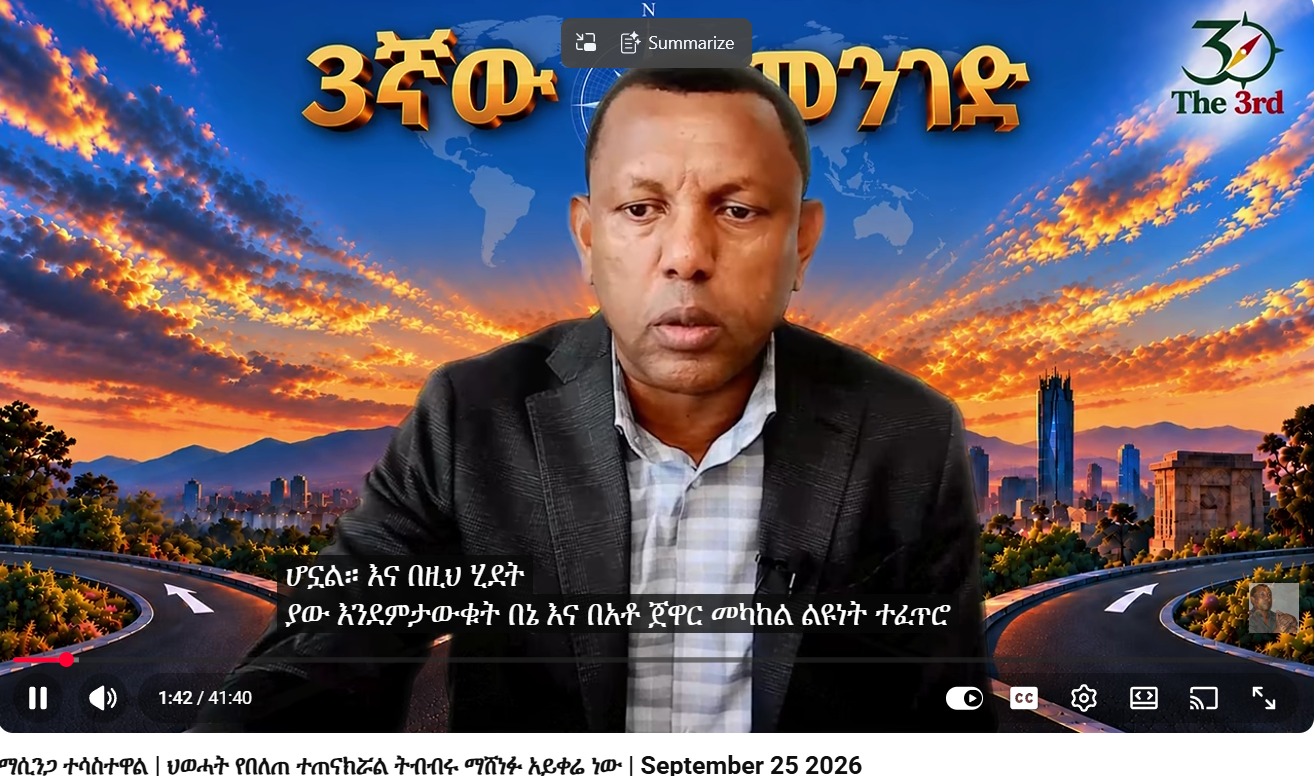
Based on the public analysis delivered in the video
In moments when nations descend into cycles of conflict, the voices that matter most are those capable of rising above propaganda, fear, and political opportunism. Ethiopia’s renewed war in 2026, and the devastating 2020–2022 war against Tigray, have once again exposed the fragility of the country’s political order and the dangers of militarized governance. In this turbulent landscape, few Ethiopian political figures have demonstrated the moral clarity, civic courage, and intellectual consistency of Lidetu Ayaliew. His recent analysis, delivered publicly and widely circulated online, offers a sober and patriotic perspective that stands in stark contrast to the distorted narratives dominating diplomatic and media discourse.
Ayaliew’s critique of the current war is grounded in a simple but powerful truth: Ethiopia’s conflicts do not erupt in a vacuum. They are the product of unresolved political crises, constitutional violations, and the persistent refusal of ruling elites to embrace peaceful political transition. His insistence that the renewed fighting is not merely a continuation of past hostilities but a symptom of deeper structural failures is a reminder that Ethiopia’s political class has yet to confront the root causes of instability. The Pretoria Agreement, though historic, left unresolved questions of territorial administration, disarmament, humanitarian access, and reintegration. These unresolved tensions created fertile ground for renewed confrontation, and Ayaliew’s analysis exposes this reality with precision.
His remarks also challenge the diplomatic narratives that have emerged around the conflict. U.S. Ambassador Ervin Massinga’s public statement blaming the TPLF for “launching a large-scale offensive” reflects a pattern of oversimplified messaging that has repeatedly failed to capture the complexity of Ethiopia’s internal wars. Ayaliew’s response is not emotional; it is analytical. He argues that such one-sided framing risks reinforcing government narratives, obscuring structural causes, and absolving federal actors of responsibility. His position is rooted in patriotism, not partisanship. He calls for truth, accountability, and sober analysis—qualities that are desperately needed in a region where diplomatic shortcuts often replace genuine engagement.
Equally important is Lidetu Ayaliew’s critique of the African Union. In his public remarks, he stated plainly that the AU has become an institution that consistently stands with rulers rather than with justice. This is not a rhetorical flourish; it is a conclusion drawn from decades of observable behavior. During the 2020–2022 Tigray war, the AU avoided naming responsible actors, delayed condemnation of atrocities, and prioritized political stability over human rights. In the renewed 2026 conflict, the AU again issued vague statements that echoed government positions while avoiding any meaningful pressure on parties to uphold the Pretoria Agreement. Ayaliew’s critique is a necessary wake-up call: Africa cannot build peace through institutions that fear confronting the truth. His call for a reformed AU- one that protects citizens rather than incumbents- is a patriotic appeal for continental justice.
Ayaliew’s political courage is further demonstrated by his consistent opposition to authoritarianism across governments. He challenged the EPRDF’s abuses, paid the price through imprisonment, and later opposed the Prosperity Party’s centralization and militarization. His commitment to constitutionalism, rule of law, and peaceful political transition has remained unwavering. In a political culture where opportunism is often rewarded, Ayaliew’s consistency is a rare and valuable asset.
His analysis also carries a message for intellectuals across Ethiopia and the diaspora. Ayaliew argues that the region’s crises persist because too many observers choose the comfort of commentary over the burden of responsibility. He calls on intellectuals to reject spectator criticism and engage constructively in political reform. His message resonates deeply with ANFET’s own position: criticism without contribution is mere noise, and history has already proven this. Ethiopia and Eritrea alike need thinkers who offer solutions, not just diagnoses; who build institutions, not merely point out their failures; who stand with the people, not with the convenience of distance.
The renewed war in Ethiopia is a tragedy, but it is also a test. It demands voices that illuminate rather than inflame, educate rather than manipulate, and build rather than destroy. Lidetu Ayaliew has emerged as one of those voices. His analysis of Ethiopia’s wars, his critique of militarized governance, his insistence on peaceful political transition, and his courageous challenge to both domestic and continental institutions offer a roadmap for those seeking a future beyond conflict.
ANFET proudly supports principled voices like Ayaliew’s- voices that defend truth, uphold justice, and remind us that patriotism is measured not by loyalty to rulers, but by loyalty to the people and to the future. In a region where wars are too easily justified and too quickly misunderstood, Lidetu Ayaliew stands as a civic compass, pointing toward a path of responsibility, accountability, and peace.